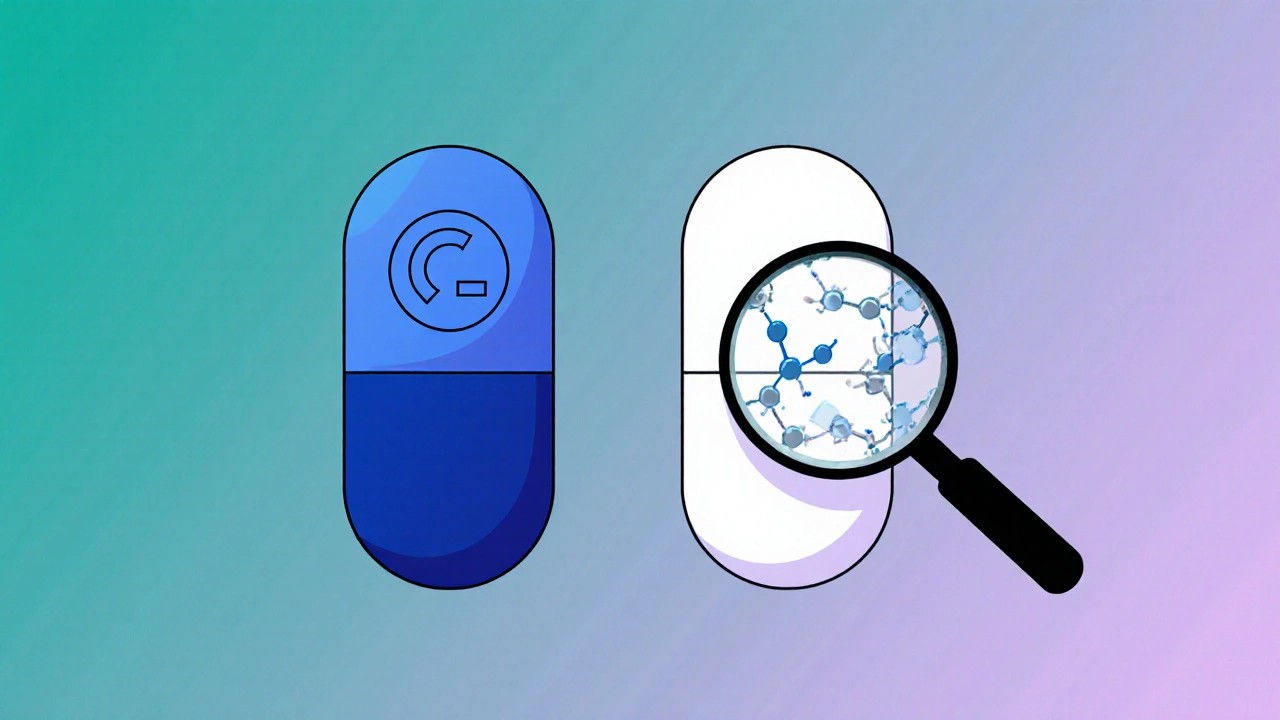
Generic drugs look different from brand-name pills because U.S. trademark laws require visual distinction to protect brand identity. But the medicine inside is identical. Here's why this rule exists - and how to stay safe when your pill changes.

When you pick up a prescription, the drug appearance, the physical characteristics of a medication including its color, shape, size, and markings. Also known as pill identification, it's not just about branding—it's a safety feature built into every tablet and capsule. If your pill looks different this month, it’s not a coincidence. Generic versions, manufacturers, and even batch changes can alter how a drug looks, but the active ingredient should stay the same. Still, if you don’t know what your medicine is supposed to look like, you could miss a dangerous mix-up—or worse, take something fake.
Pharmacies and manufacturers follow strict guidelines for pill colors and shapes, visual identifiers used to distinguish medications and reduce dosing errors. A blue oval might be your cholesterol pill one year, then a white capsule the next. That’s normal. But if your blood pressure pill suddenly turns bright green with no marking, that’s a red flag. The FDA and global regulators require unique imprints—letters, numbers, or logos—on every solid oral dose. These aren’t decorative. They’re your first line of defense against counterfeit drugs, which often copy the color but get the imprint wrong or skip it entirely.
medication look, the overall visual profile of a drug used for patient recognition and safety verification also ties into how you take your meds. If you’re on multiple pills, matching the appearance to your prescription helps avoid confusion. A study by the Institute of Medicine found that over 70% of medication errors in older adults happened because they couldn’t tell one pill from another. That’s why apps like Medisafe and MyTherapy let you snap a photo of your pills. It’s not just for reminders—it’s for verification. If your doctor switches your brand or your pharmacy sources a different generic, you should be able to check the look against your records before swallowing.
Don’t rely on memory. Keep a simple list: pill color, shape, size, and imprint. Take a picture with your phone. Ask your pharmacist to write it on the label. If you’re buying online, compare the image on the pharmacy’s site to what arrives. Fake drugs flood the internet, and many look almost real—except the imprint is blurry, the color is off, or the pill crumbles too easily. You don’t need to be a pharmacist to spot the difference. You just need to know what’s normal for your medicine.
Drug appearance also matters when you’re traveling or switching pharmacies. A pill that looks different abroad isn’t necessarily fake—it might be a local version with different markings. But if you don’t know what to expect, you might skip your dose out of fear. That’s why checking the National Library of Medicine’s Pillbox or using a trusted pill identifier tool before you travel can save your health. These tools let you search by color, shape, or imprint to confirm what you’re holding.
Below, you’ll find real-world guides on how to check your meds for authenticity, what to do when your pill looks wrong, how to spot counterfeit drugs online, and how to talk to your pharmacist when something doesn’t match. Whether you’re managing chronic pain, diabetes, or mental health meds, knowing what your drugs look like isn’t optional—it’s part of taking control of your health.
Generic drugs look different from brand-name pills because U.S. trademark laws require visual distinction to protect brand identity. But the medicine inside is identical. Here's why this rule exists - and how to stay safe when your pill changes.