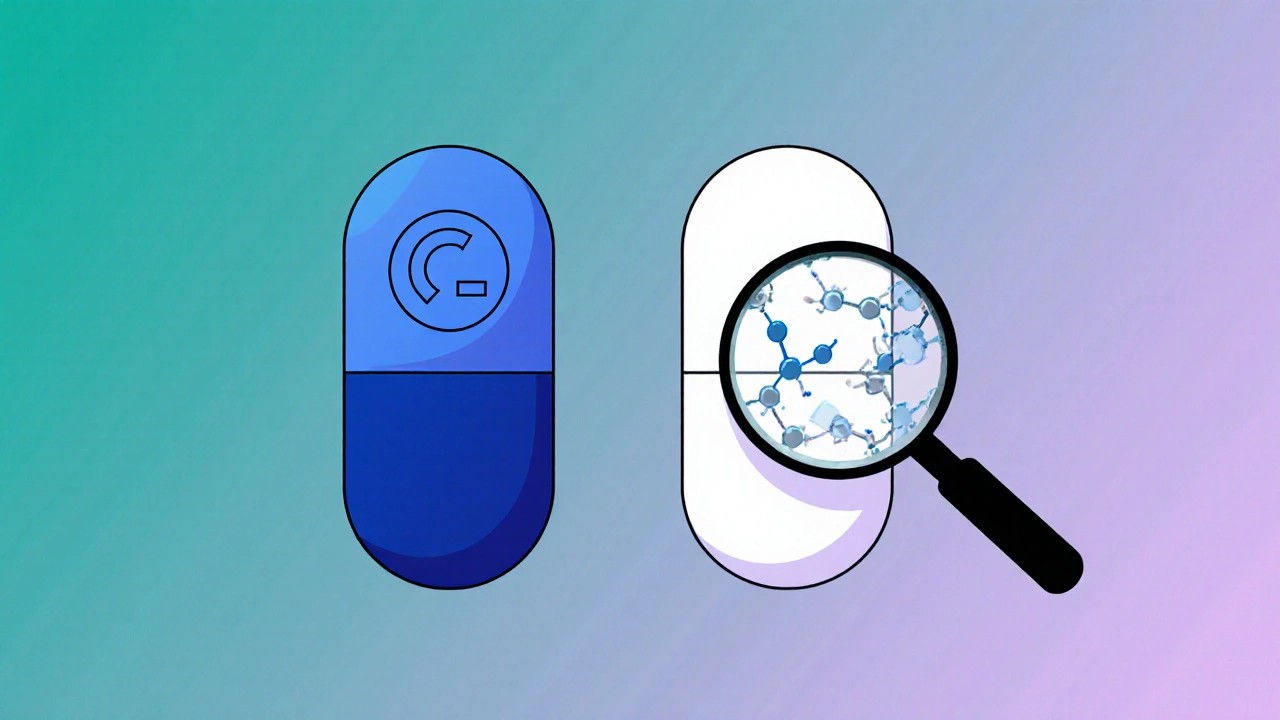
Generic drugs look different from brand-name pills because U.S. trademark laws require visual distinction to protect brand identity. But the medicine inside is identical. Here's why this rule exists - and how to stay safe when your pill changes.

When you pick up a prescription, you might see two options: the familiar brand name drug, a medication marketed under a proprietary name by the original manufacturer, often with heavy advertising and higher pricing, or a plain-looking bottle labeled with the generic medication, a version containing the same active ingredient, strength, and dosage form as the brand, but sold under its chemical name. The big question isn’t whether they work the same—it’s whether you’re paying extra for something that doesn’t actually give you more.
Here’s the truth: brand vs generic isn’t about quality, it’s about timing and money. The FDA requires generics to have the same active ingredient, dose, route of administration, and performance as the brand. That means if you take 10mg of generic lisinopril, your blood pressure will respond exactly like it would with Zestril. The fillers, colors, or shape might differ—those don’t affect how the drug works. What changes is the price. Generics can cost 80-85% less because their makers don’t need to recoup billions spent on research, marketing, or patent lawsuits. Companies like Teva, Mylan, and Sandoz make these drugs in the same FDA-inspected factories as the big brands. Some even make both.
But not all generics are created equal in perception. Some patients swear the brand works better—often because they’re used to the original pill’s look or feel, or because they associate the name with trust. A 2020 study in Annals of Internal Medicine reviewed over 100 clinical trials and found no meaningful difference in effectiveness or side effects between generics and brands across conditions like high blood pressure, depression, and epilepsy. The real issue? Insurance. Some plans push generics first. Others require step therapy. And if you’re buying online—like generic Claritin or Metformin from trusted pharmacies—you need to know how to spot a legit source. That’s why posts here cover everything from how to verify online pharmacies to why some people report different side effects with generics, even when the science says they’re identical.
There’s also the hidden cost of sticking with brands. For chronic conditions like diabetes, heart disease, or asthma, that extra $50 a month adds up to over $600 a year. Multiply that by ten years, and you’re talking about a vacation—or a new pair of shoes—for every year you pay more than you need to. Generics aren’t a compromise. They’re a smart choice backed by law, science, and millions of daily users. The posts below show you how to compare options, understand why some drugs have no generic yet, and how to talk to your doctor when you’re unsure. You’re not getting less. You’re just paying less for the exact same medicine.
Generic drugs look different from brand-name pills because U.S. trademark laws require visual distinction to protect brand identity. But the medicine inside is identical. Here's why this rule exists - and how to stay safe when your pill changes.