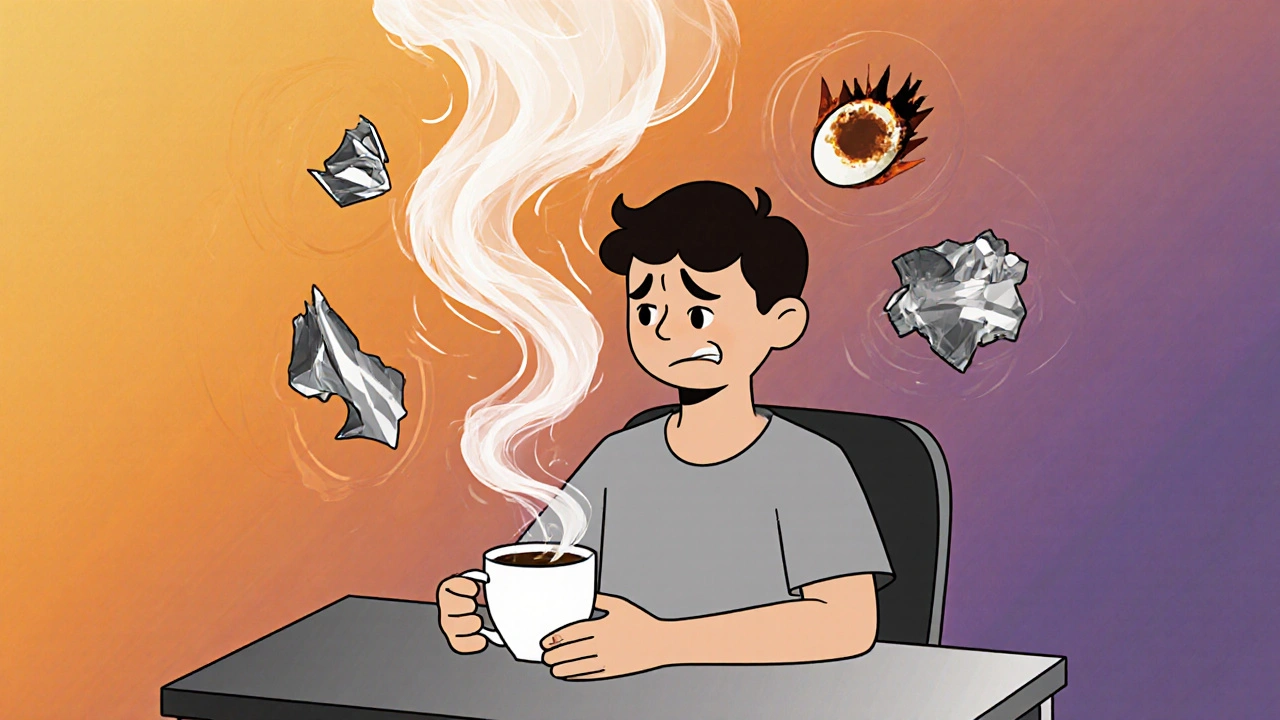
Many medications can cause strange smell changes called dysosmia-making food taste like metal or smoke smell constant. Learn which drugs cause it, how long it lasts, and what to do if it happens to you.

When your medication starts to smell odd—like vinegar, ammonia, or something just plain off—it’s not just in your head. A change in medication smell changes, a noticeable shift in the odor of a drug that can signal formulation, manufacturing, or storage issues is more common than you think. It’s often tied to generic drugs, pharmaceutical copies of brand-name medications that must differ in appearance due to trademark rules, which sometimes use different fillers, binders, or coatings. These ingredients aren’t just for structure—they can affect how the drug smells, especially when exposed to heat, humidity, or air over time.
Most of the time, a mild odor shift is harmless. Generic versions of the same drug might use cornstarch instead of lactose, or a different dye, and that can alter the scent. But if the smell is strong, chemical, or rotten, it could mean the drug has degraded. This is especially true for liquid antibiotics, insulin, or nitroglycerin. If your pills smell like spoiled fish or nail polish remover, don’t take them. The active ingredient may have broken down, making the drug ineffective—or worse, unsafe. drug formulation, the specific combination of active and inactive ingredients that make up a medication is tightly controlled, but small changes between batches or manufacturers can happen without affecting safety—unless the packaging was compromised.
You’re not alone if this has happened to you. Many people report sudden smell changes after switching pharmacies, ordering online, or getting a refill from a new supplier. It’s not always the drug itself—it could be the blister pack, the bottle cap, or even the shipping container. One study found that nearly 12% of patients noticed odor differences when switching between generic brands, and most didn’t realize it was normal. But you should. Always check the expiration date. Look for discoloration, crumbling, or moisture. If everything else looks fine but the smell is weird, call your pharmacist. They can compare your current batch to the previous one and confirm if it’s within acceptable limits.
Don’t assume a smell change means your medicine is fake. Counterfeit drugs are rare in regulated markets like the U.S. and EU, and they usually look wrong—not just smell wrong. But if you bought your pills from an unverified website or a street vendor, that’s a different story. Stick to licensed pharmacies. If your doctor switches your prescription to a different generic, ask if the smell will change. Most won’t tell you unless you ask. And if you’re on a drug with a narrow therapeutic window—like warfarin, thyroid meds, or seizure drugs—any formulation change matters. Smell alone isn’t proof of a problem, but it’s a red flag worth investigating.
What you’ll find below are real cases and clear answers about why your pills smell different, how to tell if it’s safe, and what to do when the change isn’t normal. From generic switches to storage mishaps, we cover the most common reasons and how to protect yourself without panicking. You’ve got the right to know what’s in your medicine—and what it should and shouldn’t smell like.
Many medications can cause strange smell changes called dysosmia-making food taste like metal or smoke smell constant. Learn which drugs cause it, how long it lasts, and what to do if it happens to you.