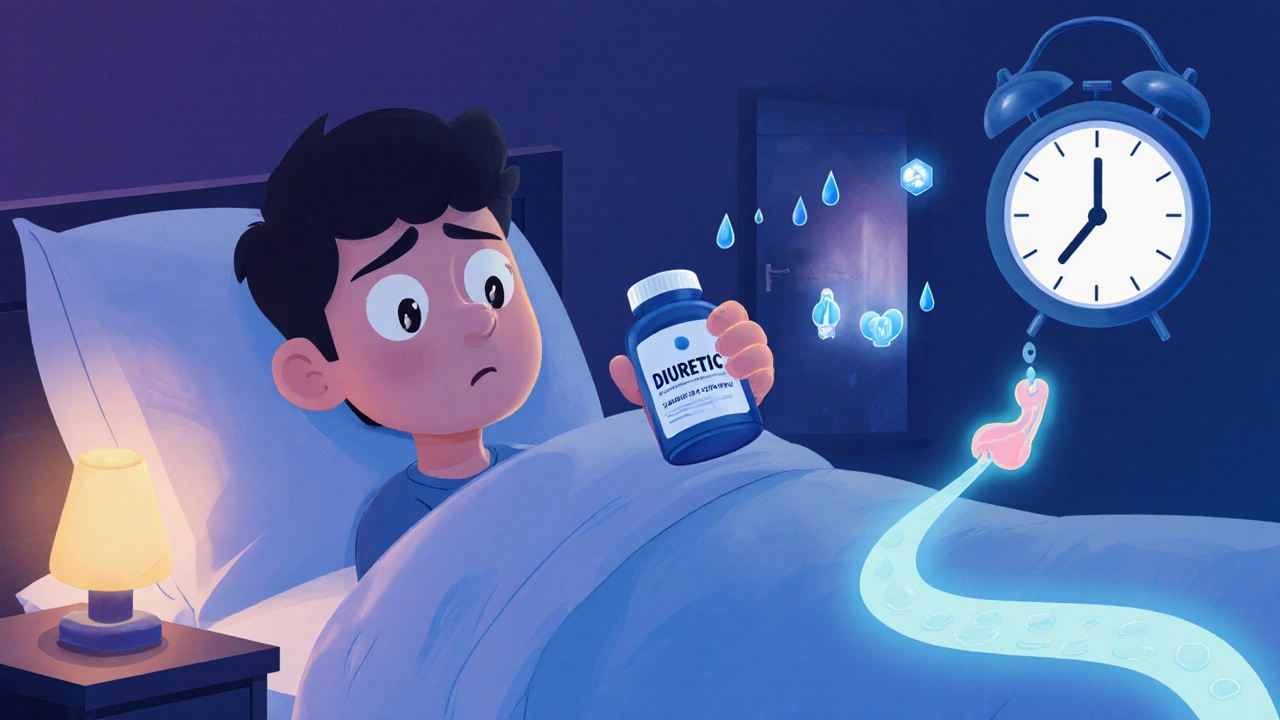
Many medications, from diuretics to antidepressants, can cause frequent urination and urinary urgency. Learn which drugs are most likely to trigger bladder side effects and what you can do to manage them without stopping essential treatments.

When you suddenly feel like you can’t wait to pee, even if your bladder isn’t full, you’re experiencing urinary urgency, a sudden, intense need to urinate that’s hard to delay. It’s not just an inconvenience—it can make work, travel, or even a night out stressful. Also known as overactive bladder, it’s a condition that affects millions, especially women and older adults, and often goes untreated because people think it’s just part of aging. This isn’t normal. It’s a medical issue with real causes and real solutions.
Urinary urgency doesn’t happen alone. It’s usually tied to overactive bladder, a condition where bladder muscles contract involuntarily, even when the bladder isn’t full. This triggers that urgent feeling, sometimes leading to accidents. The root cause? It can be nerve signals gone wrong, hormonal changes after menopause, an enlarged prostate in men, or even side effects from medications like diuretics. Some people develop it after a urinary infection, while others have no clear trigger. What matters is that it’s treatable—and the right medication can make a huge difference.
One of the most studied drugs for this is trospium, an anticholinergic that relaxes the bladder muscle to reduce sudden contractions. It’s not the only option—others include oxybutynin, tolterodine, and mirabegron—but trospium stands out because it’s less likely to cross into the brain, meaning fewer side effects like drowsiness or confusion, especially in older adults. Anticholinergics, in general, work by blocking the signals that make your bladder squeeze too early. But they’re not for everyone. If you have glaucoma, severe constipation, or certain heart conditions, your doctor will pick something else. That’s why knowing your full health picture matters before starting treatment.
It’s not all pills. Lifestyle changes help too—cutting caffeine, timing bathroom trips, and pelvic floor exercises can reduce urgency by up to 50% in some cases. But when those aren’t enough, medication fills the gap. The posts below cover real-world insights: how trospium works based on clinical trials, what anticholinergics really do to your body, how to switch safely if one drug doesn’t work, and how to spot side effects before they become problems. You’ll find comparisons, patient experiences, and practical advice—not just theory. Whether you’re dealing with this yourself or helping someone who is, the information here is meant to help you take control, not just wait it out.
Many medications, from diuretics to antidepressants, can cause frequent urination and urinary urgency. Learn which drugs are most likely to trigger bladder side effects and what you can do to manage them without stopping essential treatments.