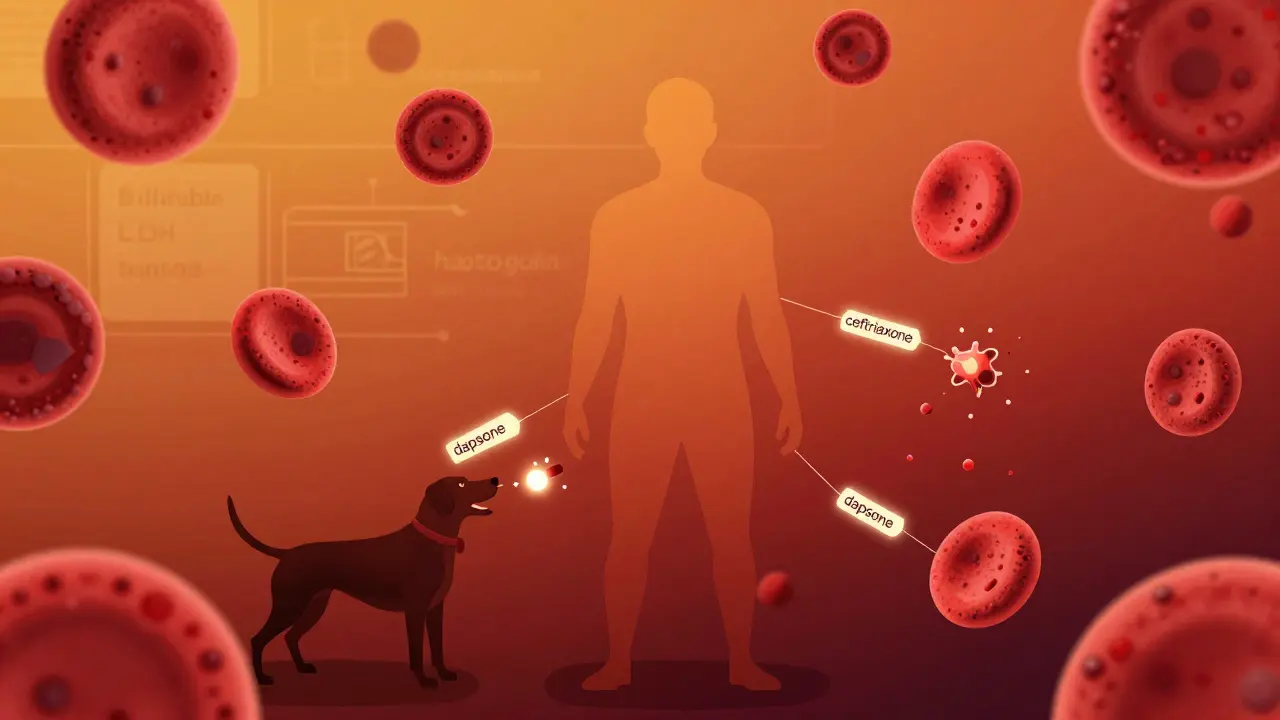
Drug-induced hemolytic anemia is a rare but dangerous condition where medications trigger the immune system to destroy red blood cells. Learn the key drugs involved, symptoms to watch for, and how to respond before it turns life-threatening.

When you take a medication side effect, an unintended reaction to a drug that occurs at normal doses. Also known as adverse drug events, it's not a mistake—it's biology. Nearly everyone on prescription or over-the-counter meds experiences at least one side effect at some point. Some are mild, like a dry mouth or drowsiness. Others, like kidney stress or psychosis, need urgent attention. The key isn’t avoiding all side effects—it’s recognizing which ones matter and knowing what to do next.
Not all side effects are created equal. CNS depressants, drugs that slow brain activity, including certain antidepressants, painkillers, and antihistamines often cause drowsiness, affecting 15–20% of users. Then there are opioid-induced constipation, a predictable and often severe side effect affecting up to 60% of long-term opioid users, which isn’t just uncomfortable—it can be dangerous if ignored. And let’s not forget steroid-induced psychosis, a rare but serious mental reaction to high-dose corticosteroids, which can show up suddenly and needs immediate medical action. These aren’t random glitches—they’re documented, predictable outcomes tied to how drugs interact with your body’s chemistry.
What makes side effects tricky is that they don’t always show up right away. Some, like changes in smell or taste from antibiotics, creep in over weeks. Others, like kidney damage from NSAIDs, build up silently. That’s why switching meds, checking for interactions, and tracking symptoms over time isn’t optional—it’s essential. You don’t need to suffer through every side effect. Many can be managed with dose tweaks, timing changes, or adding a protective drug like a proton pump inhibitor to reduce stomach bleeding risk. And sometimes, the answer isn’t more medicine—it’s switching to a gentler alternative, like choosing levocetirizine over cetirizine for fewer drowsiness issues, or using aceclofenac instead of ibuprofen for less stomach irritation.
The goal isn’t to scare you off your meds. It’s to help you take them smarter. Whether you’re dealing with morning sickness, chronic pain, allergies, or mental health treatment, side effects are part of the conversation—not the ending. The posts below give you real, practical ways to spot, understand, and manage these reactions. You’ll find clear comparisons between drugs, step-by-step guides for switching safely, and fixes for problems you might not even know you could solve. No fluff. No guesswork. Just what works.
Drug-induced hemolytic anemia is a rare but dangerous condition where medications trigger the immune system to destroy red blood cells. Learn the key drugs involved, symptoms to watch for, and how to respond before it turns life-threatening.
Sexual side effects from medications like antidepressants are common but rarely discussed. Learn how proactive counseling, medication swaps, and simple strategies can help you stay on treatment without sacrificing your sex life.
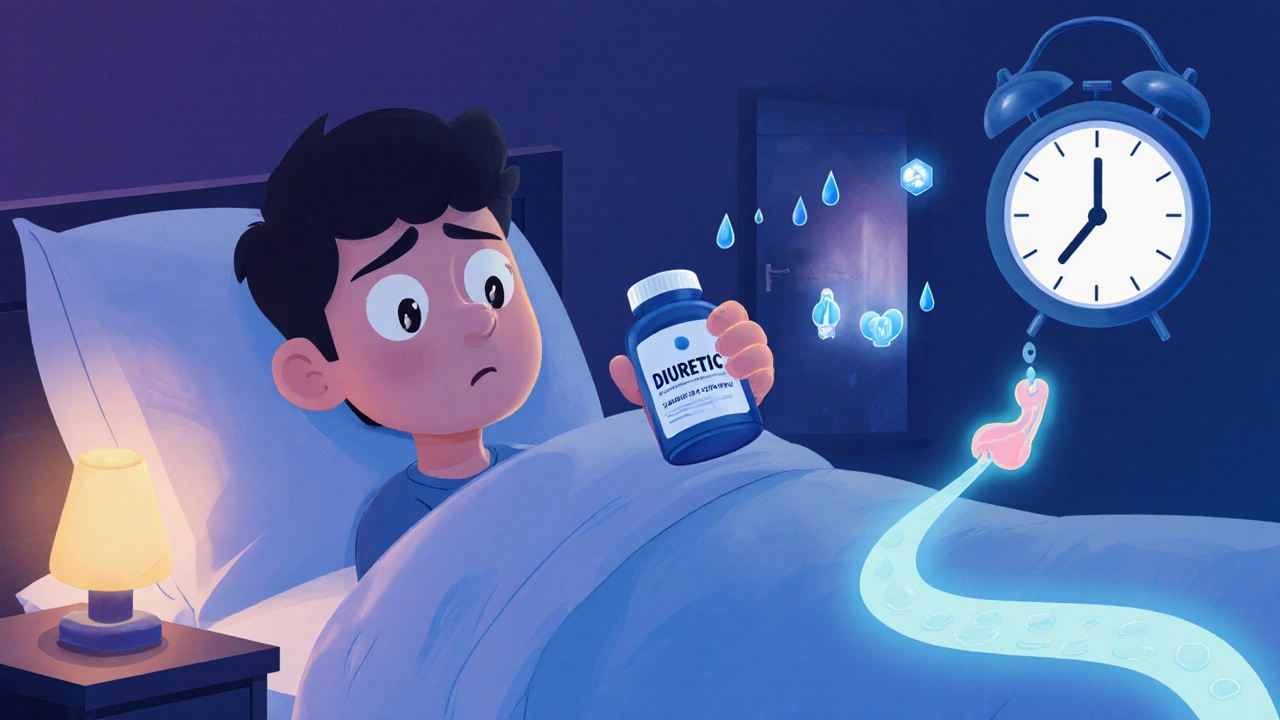
Many medications, from diuretics to antidepressants, can cause frequent urination and urinary urgency. Learn which drugs are most likely to trigger bladder side effects and what you can do to manage them without stopping essential treatments.