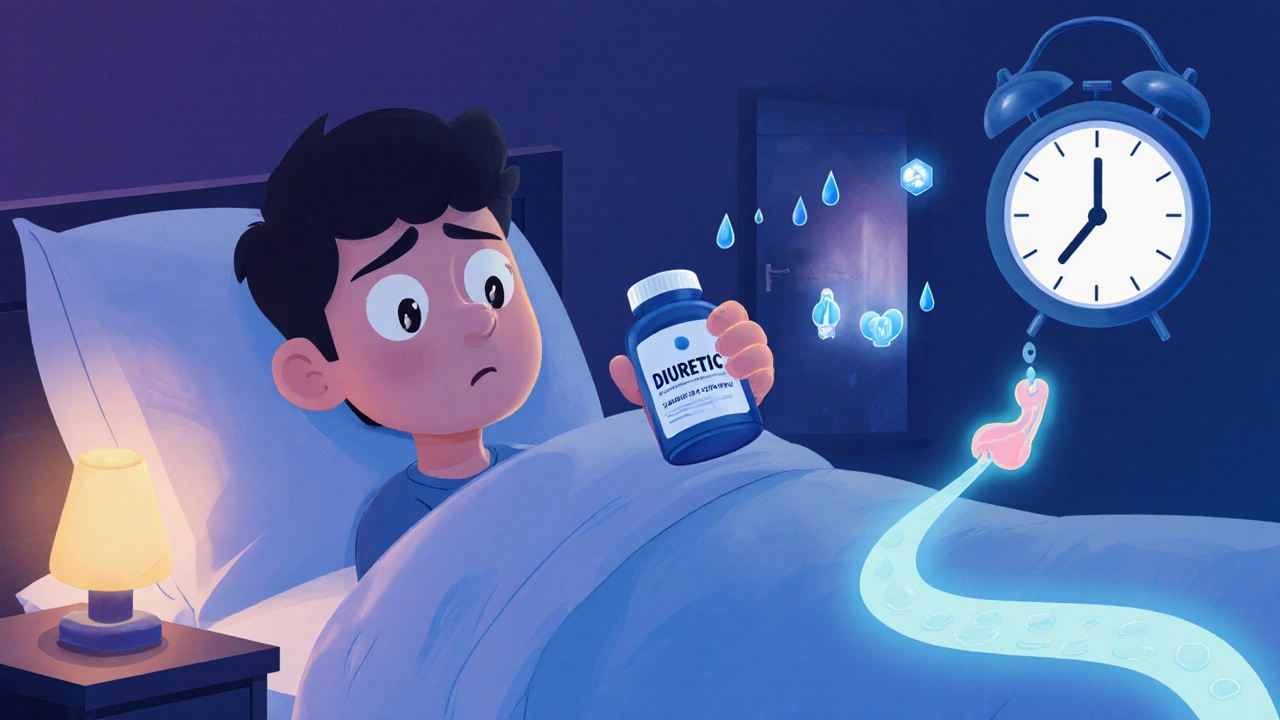
Many medications, from diuretics to antidepressants, can cause frequent urination and urinary urgency. Learn which drugs are most likely to trigger bladder side effects and what you can do to manage them without stopping essential treatments.

When you’re constantly heading to the bathroom, it’s not just annoying—it can disrupt sleep, work, and daily life. frequent urination, the need to urinate more often than usual, often with little output. Also known as polyuria, it’s not a disease itself but a signal something else is going on. Many people assume it’s just aging or drinking too much water, but it’s often tied to medications, nerve problems, or hidden conditions like overactive bladder or diabetes.
Some drugs you’re taking might be the real culprit. For example, trospium, a medication used to treat overactive bladder is meant to help control urgency, but if you’re on other drugs like diuretics, certain antidepressants, or even opioids, they can throw off your bladder function. opioid-induced constipation, a common side effect of long-term pain meds doesn’t directly cause frequent urination, but the body’s overall chemical imbalance from opioid use can affect nerves controlling the bladder. And if you’ve switched medications recently—say, from one antidepressant to another—you might be experiencing withdrawal or adjustment side effects that include urinary changes.
It’s not just about pills, either. Conditions like urinary tract infections, enlarged prostate in men, or even uncontrolled diabetes can trigger this symptom. If you’re waking up three or four times a night to pee, or feeling like you can’t hold it even after just going, that’s not normal. The good news? Most causes are treatable. You don’t have to live with it. Doctors can test for nerve damage, check kidney function, review your meds, and rule out infections. Sometimes, switching a single drug or adjusting the dose makes all the difference.
What you’ll find below are real, practical posts that break down exactly how medications, nerve signals, and body chemistry connect to frequent urination. From how trospium works in clinical trials to why certain painkillers mess with your bladder, these articles give you the facts—not fluff. You’ll learn which drugs are most likely to cause this issue, how to talk to your doctor about it without sounding paranoid, and what steps actually lead to relief. No guesswork. No myths. Just clear, actionable info.
Many medications, from diuretics to antidepressants, can cause frequent urination and urinary urgency. Learn which drugs are most likely to trigger bladder side effects and what you can do to manage them without stopping essential treatments.